Disposing hazardous waste after a Notting Hill move: legal rules
Posted on 05/07/2026

Moving in Notting Hill can leave you with a strange mix of leftover bits and pieces: half-used paint tins, an old bottle of bleach under the sink, a smoky aerosol can, maybe a cracked fluorescent bulb you meant to replace months ago. And then the question lands properly: what are the legal rules for disposing of hazardous waste after a Notting Hill move?
This is one of those moving tasks that feels small right up until it isn't. Hazardous waste is not regular rubbish, and in London the wrong disposal method can create safety risks, nuisance for neighbours, and avoidable compliance problems. The good news? Once you know what counts as hazardous, how to separate it, and where the legal lines sit, the process becomes much more manageable. Below, we'll walk through the practical rules, the common mistakes, and the safest way to handle it without turning moving day into a headache.
Why Disposing hazardous waste after a Notting Hill move: legal rules Matters
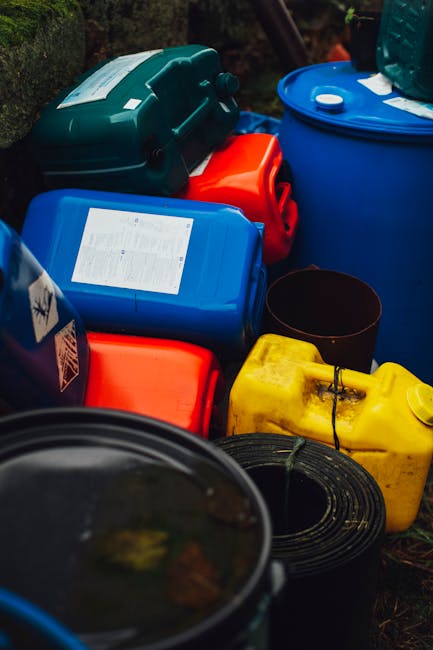
Hazardous waste sounds formal, but in moving terms it usually means everyday household items that become risky once they're no longer wanted. Think solvents, adhesives, oils, paint, batteries, gas canisters, cleaning chemicals, pesticides, mercury-containing bulbs, or anything that can ignite, corrode, poison, or react badly if thrown away carelessly.
Why does this matter so much after a move? Because moving often uncovers the "forgotten cupboard problem". You open a kitchen cabinet on the final day and suddenly find a row of things you don't want to carry to the new place, but also don't want to just bin. That's exactly where legal disposal rules start to matter.
In England, household hazardous waste cannot simply be dumped in normal household bins if it is unsafe or prohibited by local collection rules. Some items are accepted through specialist disposal routes, some need specific packaging or separation, and some require you to check local council guidance before taking action. That's the practical reality. And if you live in or are moving through a busy part of West London, it helps to be extra organised because cramped access, shared entrances and tight time windows make the wrong disposal choice more awkward than it needs to be.
If you're already planning the move itself, it can help to think about waste handling alongside logistics. A good removals plan, like the kind covered in our removals support in Notting Hill, keeps the last-day chaos under control instead of letting it spread across the hallway, stairwell and pavement. To be fair, that's where stress starts for most people.
There's also a neighbourly angle. In a place like Notting Hill, clutter left beside bins, spilled liquids, or broken containers can quickly become a nuisance. The aim is not only to stay on the right side of the law, but to avoid creating safety risks for other residents, cleaners, porters, and anyone handling waste after you leave.
How Disposing hazardous waste after a Notting Hill move: legal rules Works
The basic legal idea is simple: hazardous materials must be identified, separated, and passed into an appropriate disposal route. The details are where people trip up.
First, identify whether the item is actually hazardous. Not every item with a warning label is automatically classified the same way, but if it is flammable, toxic, corrosive, oxidising, pressurised, or contains harmful residues, treat it cautiously. If you are unsure, assume it needs special handling until you confirm otherwise. That is the safer habit, and honestly the more sensible one.
Second, keep hazardous items apart from general rubbish, cardboard, food waste, and recycling. This sounds obvious, but in the middle of a move people are often chucking things into one "miscellaneous" box and sorting later. Later is fine for cutlery. Not for bleach and batteries.
Third, use the correct route. In practice, that may mean:
- retaining the original container where possible
- making sure lids are tight and labels remain visible
- keeping incompatible substances separate
- storing items upright in a cool, stable place until disposal
- taking items to an authorised disposal point or using a service that handles hazardous materials correctly
If you are moving out of a flat, especially one with shared stair access, these details matter twice over. A leaking tin in a stairwell is not just inconvenient; it can create a slip hazard and a disposal issue at the same time. If your move also involves bulky furniture or awkward access, planning matters even more, which is one reason some residents combine waste clearance with flat removals in Notting Hill rather than trying to do everything in one chaotic afternoon.
One small but important point: "legal" does not always mean "free", and "free" does not always mean "legal". Some items require a formal drop-off route or a specialist contractor. Others may be accepted only in limited quantities. The route matters more than the label on the item. That is the bit people miss.
Key Benefits and Practical Advantages
Handling hazardous waste properly after a move has obvious compliance benefits, but there are also very real everyday advantages.
- Less risk of accidents. No leaking liquids in bags, no broken bulbs in a cardboard box, no random fumes in the boot of a car.
- Cleaner departure day. You can leave the property tidy and reduce last-minute panic.
- Better protection for cleaners and movers. Anyone touching the leftovers is safer when they're clearly separated and labelled.
- Fewer disposal mistakes. A proper route helps you avoid mixing harmful waste with general rubbish.
- More efficient unpacking. You're not carrying rubbish to a new home and then having to deal with it all over again.
There is also a psychological benefit, oddly enough. Once the hazardous items are out of the way, the move feels more finished. You're not staring at a shelf and thinking, "What on earth do I do with this old paint?" It's one less unresolved thing. And after a London move, that counts for a lot.
If you are comparing move services and want a sense of what is included, it can help to look at the wider service overview before the last day arrives. A well-planned move makes it easier to separate ordinary belongings from disposal items without turning the process into a scavenger hunt.
Who This Is For and When It Makes Sense
This topic matters to more people than you might expect. It is not only for landlords or commercial tenants. In fact, many of the most common cases are very ordinary.
- Homeowners leaving a long-term property. Old garages, sheds and utility cupboards often hide chemicals and maintenance products.
- Flat tenants moving out. Shared buildings and small entryways make safe handling especially important.
- Students leaving rented rooms. Small spaces often collect batteries, aerosols and cleaning products in a single drawer. Very typical.
- Landlords and managing agents. End-of-tenancy clearances can uncover abandoned household chemicals.
- Small business owners moving offices. Toners, cleaning supplies, maintenance kits and certain electronics need proper sorting.
It makes sense whenever you have leftover items that could be dangerous, leak, react, or violate local disposal rules if put in standard waste. If you're moving a property in a busy neighbourhood and want to keep the transition straightforward, services like house removals in Notting Hill or student removals in Notting Hill can help you create a cleaner handover plan. Not glamorous, perhaps, but practical.
It's also worth noting that some hazardous items come from routine household life rather than "big" incidents. Half-used decorating materials are a classic example. So are old smoke alarms, batteries from drawers, and bottles of household cleaner that have been sitting under the sink since before the last rent review. You know the cupboard I mean.
Step-by-Step Guidance
If you want the most reliable way to handle disposal after a move, use a methodical approach. Rushing this part usually creates mess later.
- Walk the property room by room. Check kitchens, bathrooms, utility areas, balconies, under-sink cupboards, sheds, garages, and storage boxes.
- Separate suspect items immediately. Put them in one clearly marked area away from clothing, food, and general rubbish.
- Check labels and packaging. Look for warning symbols, residue, pressurised containers, or anything that was used for paint, fuel, solvent, pesticide or chemical cleaning.
- Keep items sealed and upright. Do not decant chemicals into random bottles. It sounds efficient. It is not.
- Sort by type. Batteries, paint, aerosols, fluorescent lamps, cleaning chemicals and oily materials should be kept apart where possible.
- Choose the correct disposal route. Use the route that matches the item type and local rules. If in doubt, do not guess.
- Transport safely if required. If you are moving items yourself, keep them secure, away from food and heat, and avoid mixing them in with ordinary possessions.
- Keep a record if the volume is significant. For larger household or business clearances, note what was removed and how it was disposed of. It can save confusion later.
A sensible practical rhythm is to deal with hazardous waste before the final packing sprint. By the time you're tape-deep in boxes and someone is asking where the kettle went, you do not want to be searching for a leaking tin of masonry paint. That's the kind of small chaos nobody needs.
If access is tight or the removal itself is complicated, a provider experienced with awkward loads and difficult access can make the whole job calmer. For example, tight stairs in W11 terraces moving fixes is the sort of practical planning mindset that helps when you are juggling heavy items, shared hallways and disposal at the same time.
Expert Tips for Better Results
Here's the part that tends to save the most trouble.
- Do hazardous sorting before final boxing. Once everything is packed, people stop noticing the dangerous items hidden in plain sight.
- Use the original container wherever possible. It keeps identification clear and avoids accidental mixing.
- Never combine chemicals. Even small quantities can react badly. Bleach and cleaners are the classic "don't do that" example.
- Keep children and pets away. This sounds obvious, but during a move there are open doors, bags, and people coming and going.
- Label makeshift storage boxes. A plain cardboard box marked "hazardous-do not open" is better than a mystery box with three batteries and a mystery liquid.
- Use the move as a declutter trigger. If you have not used a substance in years, there is a good chance it belongs in a proper disposal route rather than your next cupboard.
And one more thing: don't leave this until the last hour. Last-hour waste handling is when mistakes happen. You'll be tired, you'll be looking at five other tasks, and someone will say, "Can this just go in the bin?" No, not always. That tiny pause matters.
If you want a smoother move overall, it can also be worth checking pricing and planning in advance rather than treating disposal as an afterthought. The pricing and quotes page can help you think about the move in a more organised way, which is often where the stress reduction really starts.
Common Mistakes to Avoid
Most hazardous waste problems after a move come from a few familiar mistakes. They are easy to make, which is exactly why they keep happening.
- Throwing everything into general rubbish. This is the biggest one. Fast, yes. Safe or lawful, not necessarily.
- Leaving chemicals in open containers. Spills, fumes and contamination are the obvious risks.
- Storing incompatible products together. Some substances should never share the same box or bag.
- Thinking "it's only a little bit". Small quantities can still be unsafe.
- Ignoring local collection limits. Councils and waste routes can have restrictions on what they accept and how much.
- Using unsealed plastic bags for sharp or leaking items. That is how accidents happen in hallways and vans.
There's also a subtler mistake: assuming that because something is old, empty, or mostly used up, it is no longer hazardous. Not always true. Residue can still matter. A nearly empty tin of solvent is still not the same as dry recycling. If you're the sort of person who likes a neat, final clean-out, this distinction is annoying - but it's real.
When the move includes bulky items and you are already juggling timing, it can help to avoid adding extra complexity. For example, if you're clearing a mixed household load, a service such as furniture removals in Notting Hill can take pressure off the physical side while you focus on separating what requires specialist disposal.
Tools, Resources and Recommendations
You do not need a full kit of specialist gear to manage this well, but a few simple tools make the process safer and tidier.
- Sturdy gloves for handling dusty, dirty or potentially contaminated items.
- Strong plastic tubs or crates for separating items that should not be crushed.
- Permanent marker labels for identifying contents clearly.
- Old towels or absorbent material to stabilise small leaks during short-term storage.
- Snap-seal bags for small batteries or broken fragments, if appropriate.
- Box tape and secure lids so nothing spills on the stairs or in transit.
On the service side, choose help that understands the difference between general household move items and disposal-sensitive materials. That can include removal teams, van services, and carefully planned storage if you need to stage items before disposal. The useful thing is not the vehicle itself; it is the planning around it. For that reason, many readers also look at man with van Notting Hill or removal van options in Notting Hill when they need flexible collection and drop-off help.
If you are clearing a property with a lot of leftovers rather than just one cupboard, it may also be worth thinking about temporary holding space. Storage can buy you a little breathing room, which is sometimes the difference between a rushed decision and a proper one. A calm move is usually a safer move. Funny how that works.
Law, Compliance, Standards, or Best Practice
Let's keep this plain. In the UK, hazardous waste is regulated because it can harm people and the environment if it is mismanaged. For household movers, the key legal point is not to treat hazardous waste like ordinary rubbish. You should follow the accepted disposal route for the item, keep it separate, and avoid putting it into collections that are not meant to accept it.
Where businesses are involved, the duties can become more formal. Office moves, rented workspaces and commercial clear-outs may require stronger segregation, documented disposal, and a higher standard of duty of care. That is especially relevant for items like toners, cleaning agents, maintenance products, and any materials with chemical residue. If a business is involved, it is usually wise to apply a more cautious standard than the minimum household approach.
Best practice usually means:
- identifying hazardous items before the final move-out day
- keeping them separate from normal waste streams
- using proper packaging and secure storage during transit
- choosing an authorised disposal route
- retaining any paperwork or confirmation where relevant
That last point matters more than people think. If you are a landlord, managing agent or small business owner, a simple disposal record can prevent arguments later. For households, it is usually enough to keep a basic note of what was removed, especially if the waste included chemicals or larger quantities.
If your move has a commercial side, you may also benefit from a service that understands the practical side of compliance as well as transport. Our office removals in Notting Hill page is a useful reference if you are moving desks, supplies and leftover materials that need organised handling. And if you're still comparing providers, Notting Hill removal companies can be a sensible place to start your shortlist.
One cautious note: if the item is pressurised, leaking, highly flammable, or obviously dangerous, do not improvise. That is the point at which professional advice or a specialist route becomes the sensible choice. No heroic DIY points available there, thankfully.
Options, Methods, or Comparison Table
There is no single disposal method that suits every hazardous item. Here's a simple comparison to help you choose the most sensible route.
| Method | Best for | Pros | Watch-outs |
|---|---|---|---|
| Separate home storage before disposal | Small quantities waiting for the right disposal trip | Keeps items organised; helps avoid mistakes | Needs safe packing and clear labelling |
| Authorised drop-off route | Common household hazardous waste | Usually the cleanest compliance option | May have limits on item types or quantities |
| Specialist removal or clearance support | Mixed loads, limited access, larger volumes | Less lifting, fewer handling errors, quicker end-of-move | Needs clear instructions on what is hazardous |
| Commercial waste process | Business or office items | More formal control and record-keeping | May require internal sign-off or documented transfer |
For many people, the best answer is actually a combination: sort at home, separate properly, and then hand the waste over through the correct route. That hybrid approach is often the least dramatic, which is good. Drama is for moving sofas up stairwells, not for paint tins.
Case Study or Real-World Example
Imagine a couple moving out of a Notting Hill flat after six years. They've got the usual moving boxes, plus a half-used tin of emulsion, a few old batteries from remote controls, an aerosol can of fabric spray, a bottle of drain cleaner, and two cracked energy-saving bulbs from the airing cupboard.
At first glance, it looks like a tiny amount of waste. The temptation is to toss everything into one bag and be done with it. But that would be the wrong move. Instead, they separate the items into categories: batteries together, bulbs wrapped carefully, liquids kept upright in a crate, and anything leaking placed in its own secure container. They then decide not to take risks with the unknown products and follow a route appropriate to each item type.
The result is calm, not chaotic. Nothing spills on the stairwell. The final clean goes faster. The end-of-tenancy handover is less fraught. And the removals team isn't left wondering whether a mystery bag in the corner is safe to lift.
That's the real lesson. Proper hazardous waste handling is mostly about avoiding preventable problems. It is not complicated because it is glamorous. It is complicated because careless handling creates small, annoying, expensive consequences. And those have a habit of appearing right when you're trying to leave the property.
Practical Checklist
Use this checklist before moving day, or during the final property sweep if you are running late.
- Check kitchens, bathrooms, cupboards, sheds, lofts and storage areas for chemicals or pressurised items.
- Separate paint, solvents, aerosols, batteries, bulbs, cleaners and any oily materials.
- Keep original labels visible wherever possible.
- Seal lids tightly and place items upright in secure containers.
- Do not mix incompatible products.
- Keep hazardous waste away from food, clothing and general recycling.
- Use gloves when handling dusty, sharp or potentially leaking items.
- Confirm the correct disposal route before you travel.
- Set aside time for disposal before the final box-packing rush.
- If in doubt, stop and re-check rather than guessing.
It's a short list, but it saves a surprising amount of stress. You will notice the difference almost immediately when the final room is clear and there is no "what do we do with this?" pile hanging around in the corner.
If you want the broader move to feel easier as well, it can help to think about timing, access, and transport in one go. Services such as same-day removals in Notting Hill can be helpful in tight turnaround situations, especially when the property handover clock is ticking loudly.
Get a free quote today and see how much you can save.
Conclusion
Disposing hazardous waste after a Notting Hill move is not the most exciting part of moving, but it is one of the most important. Once you separate dangerous items from regular rubbish, follow the proper disposal route, and keep a simple eye on compliance, the whole process becomes much safer and much less stressful.
The big idea is straightforward: do not rush, do not mix, and do not guess. The law and best practice both point in the same direction here - careful handling, clear separation, and responsible disposal. A little attention now saves a lot of hassle later, which, let's face it, is exactly what good moving advice should do.
And when the last box is gone, the stairwell is quiet, and the flat finally smells like fresh air instead of old paint and cardboard dust, you'll be glad you handled it properly. Small win, but a real one.

![Professional Movers Services at Unbeatable Prices in [LOGO_TITLE]](../../pub/actonmovers-banner.png)