Bulky-furniture lifts on Portobello Road: solutions
Posted on 14/05/2026
Bulky-furniture lifts on Portobello Road: solutions for tight staircases, awkward access, and stress-free moves
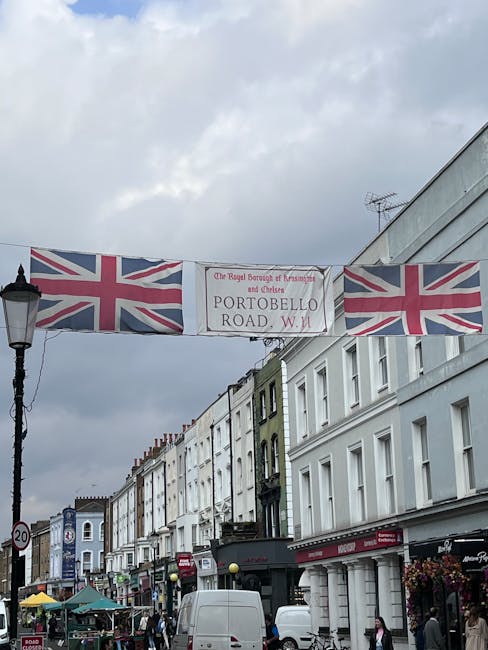
Portobello Road has a charm that pulls people in straight away: colourful shopfronts, busy pavements, narrow residential streets, and buildings that often have more character than practicality. That last part matters a lot when you need to move a sofa, wardrobe, bed frame, or dining table. Bulky-furniture lifts on Portobello Road: solutions are not just about brute strength. They are about planning, access, safety, timing, and choosing the right method for a street that can feel lively one minute and completely boxed-in the next.
If you have ever tried to carry a bulky item through a tight hallway and thought, "this seemed easier in the showroom," you are not alone. The good news is that there are reliable ways to handle it. In this guide, we break down how these lifts work, what options make sense on Portobello Road, when to use specialist help, and the mistakes that tend to turn a simple move into a long, expensive afternoon.
For readers comparing moving support more broadly, it can help to look at the wider removal services in Notting Hill and how they fit around local access challenges. If you are pricing up a move, the page on pricing and quotes is also useful for understanding what typically affects the final cost.
Why Bulky-furniture lifts on Portobello Road: solutions Matters
Portobello Road is one of those places where access can be the real story, not the furniture itself. Many homes nearby have narrow staircases, compact landings, basement layouts, or upper floors that simply do not lend themselves to carrying large items in the usual way. Add parked cars, market-day footfall, and tight kerb space, and you quickly see why standard moving assumptions fall apart.
Bulky-furniture lifts matter because the wrong approach can create a chain reaction: scuffed walls, damaged doors, strained backs, upset neighbours, and a move that overruns by hours. To be fair, most people only discover the difficulty once the item is already halfway through the doorway. That is usually too late.
The other reason this topic matters is that bulky items are not all the same. A heavy oak dresser behaves differently from a modular sofa or a king-size bed. A piano is in another category altogether. A good solution takes the item, the building, the street, and the timing into account. That is why many local moves benefit from a service that understands both furniture handling and the realities of West London streets. A good starting point is reading about furniture removals in Notting Hill, especially if your move involves more than one large item.
Expert summary: On Portobello Road, the best bulky-furniture lift is rarely the strongest option on paper. It is the one that fits the route, protects the property, and keeps the move calm from doorstep to room placement.
How Bulky-furniture lifts on Portobello Road: solutions Works
In practical terms, a bulky-furniture lift is a controlled way of moving oversized furniture through, over, or around difficult access points. The "lift" may involve manual carrying, lifting straps, stair glides, dismantling, hoisting equipment, or a vehicle-based loading plan. Sometimes it is a simple two-person carry. Sometimes it needs a more specialist setup. The right answer depends on the item and the route.
The process usually starts with an access check. That means measuring doorways, stair widths, landings, ceiling height, and any awkward bends. It also means checking where the van can stop, whether the street is free enough for loading, and whether there are entry restrictions or time-sensitive issues. On a busy stretch near the market, five minutes of planning can save half an hour of standing around while everyone tries to work out if the sofa will turn the corner. Happens all the time, frankly.
For a local move, the workflow often looks like this:
- Identify the furniture pieces that are bulky, fragile, or both.
- Measure the item and the full route out of the property.
- Decide whether dismantling will make the move safer and faster.
- Choose the best method: carry, slide, protect, hoist, or combine methods.
- Prepare protection for floors, corners, and door frames.
- Load in a way that balances weight and minimises handling.
- Reassemble and place the item carefully at the destination.
For some moves, a man with a van in Notting Hill is enough. For others, especially when access is awkward or the furniture is unusually heavy, a more structured moving team is the safer bet. If you are between options, the local services overview can help you see how different support levels fit different jobs.
Key Benefits and Practical Advantages
The obvious benefit is that the furniture gets moved. But the real value is in how the lift is handled. A well-planned solution saves time, protects the item, and reduces the risk of injury or property damage. That sounds straightforward, but in practice it changes the whole tone of the move.
Here are the advantages people usually notice first:
- Less risk of damage: Proper lifting and route planning reduce scrapes, cracks, bent frames, and chipped paint.
- Safer handling: Heavy lifting is easier to manage with the right equipment and enough people.
- Better fit for tight properties: Older buildings and compact flats often need a tailored method.
- Faster completion: Planning cuts out unnecessary back-and-forth and awkward repositioning.
- Less disruption to neighbours: Especially important on streets where access is already tight.
- More predictable costs: Good planning reduces the chance of delays, extra labour, or last-minute surprises.
There is also a quiet psychological benefit. Once the big item is safely out, the rest of the move feels more manageable. You can almost hear the room breathe again. Small thing, maybe. But if you have ever tried to wrestle a wardrobe down a narrow stairwell, you know exactly what I mean.
Who This Is For and When It Makes Sense
This kind of solution makes sense for anyone dealing with heavy or oversized furniture in a restricted-access part of Notting Hill. That includes homeowners, tenants, landlords, interior designers, letting agents, and small businesses moving office furniture into or out of the area.
It is especially relevant if you are handling:
- large wardrobes, ottomans, and bed frames
- corner sofas or recliner sofas
- solid wood dining tables
- appliances or oversized household items
- antique pieces that need extra protection
- pianos or other high-value specialist items
- bulk purchases from local shops or market finds
It also makes sense if the move is time-sensitive. For example, if you are vacating a flat on the same day you complete on another property, or if delivery needs to happen around other building work, you want a plan that is efficient but not rushed. If your move is urgent, the page on same-day removals in Notting Hill may be relevant.
People sometimes assume they only need specialist help for very large pieces. Not always. In a period property with a difficult stairwell, a perfectly ordinary sofa can become the awkward one. That is the tricky bit. Size matters, but so does shape.
Step-by-Step Guidance
If you want a smoother outcome, the best approach is to treat the move like a sequence rather than a single event. The following method works well for bulky furniture lifts in and around Portobello Road.
1. Measure everything properly
Measure the furniture at its widest, tallest, and deepest points. Then measure doorways, corridor widths, stair turns, and any tight corners. Even a few centimetres can change the plan. If the item is modular, check whether removable feet, shelves, doors, or arms create a better path.
2. Decide what should be dismantled
Some furniture should travel in pieces. Some should not. Flat-pack units are often easier to split down, while vintage or bonded items can be weakened by unnecessary dismantling. A good mover will judge this carefully rather than forcing it. If you need support with wrapping and box planning for the smaller parts, packing and boxes in Notting Hill is a useful reference point.
3. Clear the route before anyone starts lifting
Move rugs, mirrors, plant pots, loose cables, and anything else that might snag a hand or wheel. Open doors in advance if that is possible. On a busy street, the most efficient job often begins with a calm, empty route inside the property.
4. Protect the property
Use floor coverings, corner guards, and door protection where needed. This is not fussiness. It is the difference between a tidy move and a weekend spent apologising over a chipped bannister.
5. Choose the loading method
Depending on the item, that might mean manual carry, dollies, furniture sliders, lifting straps, or a van loaded in a specific order. For particularly delicate or awkward pieces, specialist handling is wise. For example, if your move includes upright instruments, it can be worth looking at piano removals in Notting Hill as a model for how careful a specialist approach can be.
6. Load with balance in mind
Bulky items should be secured so they do not shift mid-journey. Weight distribution matters. So does padding. A well-packed van is quieter, safer, and far less stressful when you hit a speed bump or a patch of stop-start traffic.
7. Reposition and recheck at delivery
Once the item reaches the destination, place it carefully and check for any movement, scratches, or loosened fittings. A quick check before the team leaves saves headaches later.
Expert Tips for Better Results
Good bulky-furniture lifts are won before the lifting starts. That is the honest truth. A few practical habits make a noticeable difference.
- Book an access review early: If possible, talk through the route before moving day. Photos and rough measurements help, but a real-world view helps more.
- Keep the item accessible: Do not bury the sofa behind six bags, two bikes, and a plant that you forgot was there.
- Think about street timing: Portobello Road can be busy. Early starts often work better than mid-day starts, especially where foot traffic is heavy.
- Protect fragile finishes: Glossy surfaces, veneers, glass, and polished wood need proper wrapping, not just a hopeful blanket.
- Use the right team size: Two people may be fine for one item, but not if the route includes stairs, turns, and a narrow landing.
- Leave a little breathing room: Rushing makes awkward corners worse. A pause before the turn is often smarter than forcing it through.
A small but useful habit: take one minute to picture the move from the back door to the van, then from the van to the new room. That mental run-through catches silly mistakes before they become actual problems. Slightly old-school, maybe, but it works.
If you want a broader sense of how local removals are handled, the guide on Portobello Market moves gives helpful local context, especially for access and timing around the area.

Common Mistakes to Avoid
The biggest mistakes are usually not dramatic. They are small, avoidable oversights that make the job harder than it needs to be.
- Not measuring properly: Guessing is a bad strategy. Furniture can look slimmer in a photo than in real life.
- Ignoring turning space: A doorway might be fine, but the hallway bend might not.
- Trying to force an awkward item: If it does not fit comfortably, stop and reassess. Forcing it almost always costs more later.
- Leaving protection until the last minute: That is how scuffed paintwork and dented walls happen.
- Underestimating street access: On Portobello Road, where and when you park can matter as much as the lifting itself.
- Choosing the cheapest option without checking the fit: Low price is useful, but only if the job is actually suitable.
Another common one: assuming the move will go exactly like the last move you did somewhere else. It probably won't. Different building, different stairwell, different day, different chaos. That is London for you.
Tools, Resources and Recommendations
Not every move needs specialist equipment, but the right tools make a noticeable difference. The useful ones tend to be practical rather than flashy.
| Tool or Resource | Best For | Why It Helps |
|---|---|---|
| Lifting straps | Heavy wardrobes, mattresses, boxed items | Improves control and reduces strain on hands and backs |
| Furniture blankets | Wood, painted surfaces, glass panels | Reduces scratches and bumps during transport |
| Corner guards | Narrow hallways and stair turns | Protects walls and door frames |
| Sliders or dollies | Flat-floored interior moves | Helps shift weight before lifting |
| Protective wrap | Fragile or polished items | Prevents rubbing, dust, and minor knocks |
| Local moving support | Multi-item or access-challenged jobs | Brings route planning, manpower, and practical experience |
For people who want a simple, dependable route to booking help, the man and a van service in Notting Hill is often the most flexible option for smaller bulky jobs. If your move is larger or more structured, house removals in Notting Hill may suit you better.
It can also be wise to check the company's insurance and safety information before booking. That is not red tape for the sake of it. It is part of making sure the job is handled responsibly.
Law, Compliance, Standards, or Best Practice
For bulky-furniture lifts, the key point is not legal jargon; it is responsible handling. In the UK, moving work should be carried out with sensible attention to safety, manual handling, and property protection. You do not need to memorise regulations, but you should expect a mover to work carefully, communicate clearly, and avoid unsafe lifting practices.
Best practice usually includes:
- risk-aware lifting and carrying
- clear communication between people handling the item
- proper route checks before moving begins
- appropriate protection for floors and walls
- care around doors, stairs, and shared hallways
- respect for neighbouring residents and building rules
If a building has access rules, lift rules, or time restrictions, those should be followed. If an item looks unsafe to move in one piece, that should be discussed openly. The best teams do not pretend every job is simple. They say when a different method is safer. That honesty matters.
For customers who want to understand how a company handles customer care, it is also reasonable to review the pages on terms and conditions and complaints procedure. Not because you expect trouble, but because clear policies tend to reflect clear working habits.
Options, Methods, or Comparison Table
There is no single best solution for every bulky item. The right method depends on size, weight, access, and urgency. Here is a simple comparison to help you think it through.
| Method | Best Use | Advantages | Limitations |
|---|---|---|---|
| Manual carry | Moderately heavy items with clear access | Fast, simple, cost-effective | Not ideal for tight stairs or very heavy furniture |
| Dismantle and move in parts | Wardrobes, beds, modular units | Easier route planning, less strain | Needs time and care to reassemble |
| Specialist handling | Delicate, valuable, or unusually shaped items | Lower risk, more control | May cost more than standard support |
| Man and van support | Single bulky items or small loads | Flexible and efficient for local jobs | May not suit complex access or very heavy loads |
| Full removal service | Multi-room or full-property moves | Most organised and comprehensive | More service than some small jobs require |
If you are moving between flats, a specialist flat removals service can be especially helpful because flats often bring the exact sort of access issues that make bulky lifts tricky. For larger residential moves, removals in Notting Hill provides a wider solution set.
Case Study or Real-World Example
Imagine a couple moving from a first-floor flat near Portobello Road into a nearby Victorian conversion. They have a sofa, a tall bookcase, a king-size bed, and a dining table they are determined to keep in one piece. On paper, none of it sounds impossible. In reality, the hallway turns are tight, the staircase bends sharply, and the street outside is busy enough that parking by the front door is not guaranteed.
The first step is a proper access check. The sofa is too wide for the sharp corner on the stairs, so the team decides to remove the feet and rotate it vertically with protection on the walls and handrails. The bookcase is dismantled into sections. The bed frame is wrapped and carried in smaller parts. The dining table, being solid but manageable, is moved with two people and a careful lift at the landing.
The result? No damage, no rushed shouting, no pile of discarded packaging on the pavement, and no awkward conversation with neighbours. The move still takes effort, but it stays controlled. That is the real win. Not perfection. Control.
This kind of job is exactly why local experience matters. A team that understands the area can make small decisions quickly: where to stop the van, how to protect the stairwell, whether to split an item, and how to avoid unnecessary handling. If your move is near the market or involves compact streets, the small flat removals guide offers a useful nearby comparison.
Practical Checklist
Use this checklist before moving day. It keeps things simple and, more importantly, stops the usual last-minute scramble.
- Measure the furniture and the route out of the property
- Confirm whether any item can or should be dismantled
- Take photos of awkward corners, stairs, and doorways if needed
- Clear pathways inside the property
- Protect floors, corners, and fragile surfaces
- Check parking or stopping arrangements near Portobello Road
- Prepare any screws, fittings, or small parts in labelled bags
- Separate fragile pieces from heavy items
- Decide whether you need standard help or specialist handling
- Confirm timing, access, and contact details with your mover
- Make sure the destination room is ready for placement
- Review insurance and safety details before the move
Quick takeaway: if an item looks awkward at the start, it usually will not magically become easy later. Better to plan for the awkwardness up front.
Get a free quote today and see how much you can save.
Conclusion
Bulky-furniture lifts on Portobello Road need more than muscle. They need local awareness, careful measurements, sensible protection, and a moving plan that respects both the property and the street outside. Once you treat the job that way, the whole thing becomes much more manageable.
Whether you are moving one awkward sofa, several heavy pieces, or an entire flat's worth of furniture, the right solution is usually the one that keeps the process calm and the item safe. That may mean dismantling, specialist handling, a man and van setup, or a fuller removal service. The best choice is the one that fits the actual situation, not the one that just sounds easiest in the moment.
If you are still deciding, it can help to look at the full range of local support, compare your options, and think honestly about access before moving day arrives. A little planning goes a long way. Truth be told, it saves a lot of swearing too.
And once the heavy piece is finally in place, the room feels different. Lighter somehow. That is a good feeling.
![Professional Movers Services at Unbeatable Prices in [LOGO_TITLE]](../../pub/actonmovers-banner.png)